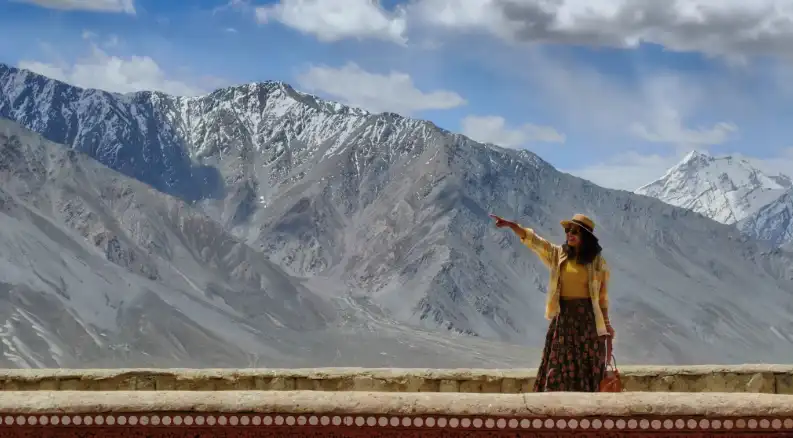
Everest Region: Where Mountains and Sherpa Identity Meet
Sherpa Heritage and the History of Mountain Life
The Sherpa people reached the Khumbu from eastern Tibet a few centuries ago, bringing their language, their Buddhism, and their farming habits with them. High valleys don't give much back, so life settled around potatoes, barley, livestock, and seasonal trade over the passes. Religion was never a separate compartment. It ran through the calendar, the household, and the landscape itself.
One thing is worth clearing up. "Sherpa" is an ethnic identity, a people with their own clans, customs, and spoken language. In trekking talk, though, the word has drifted into meaning any mountain guide or porter, and plenty of people doing that work aren't Sherpa at all. Plenty of Sherpa families also earn a living far from the trekking trade. Mixing the two up squashes a whole community into a job title.
Namche Bazaar: More Than a Trekking Stop
Namche sits on a steep, horseshoe-shaped hillside, and most trekkers treat it as an acclimatisation day. It deserves more attention than that. It has long been a trading hub, and the Saturday market still draws people down from the surrounding villages. Stone-and-timber homes with painted window frames sit above bakeries, gear shops, and cafés. A small monastery watches over the lanes.
Tourism has changed the town's pace and skyline, no question. Even so, family businesses, Sherpa lodge owners, and old trading habits keep the place running. You can see both worlds in a single street, sometimes in a single shop.
Monasteries, Buddhist Traditions, and Spiritual Life in Everest
Tengboche Monastery sits on a ridge with giant peaks stacked up behind it, and for many Sherpa families it is the spiritual heart of the Khumbu. Even if you're not religious, the setting gets to you. Young monks study here, ceremonies are held here, and the community gathers here when something matters.
Along the trail you'll pass prayer flags, mani walls built from carved stones, and rows of prayer wheels. The custom is to walk clockwise around them, keeping the stones on your right. It's a small gesture, and locals notice when you do it.
Monasteries here aren't museums. They are working parts of village life. The mountains are tied into that too. Khumbila, the peak rising above Khumjung, is regarded as a sacred presence rather than a summit to be conquered. Anyone doing the Everest Base Camp Trek walks through this belief system every day, whether they notice it or not.
Manaslu Region: A Different Himalayan Cultural Landscape
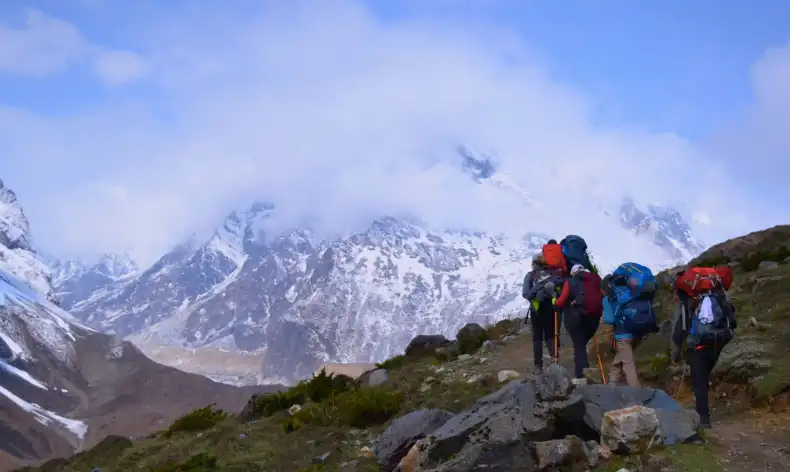
Villages That Preserve Their Tibetan Heritage
Head up the Budhi Gandaki valley and the culture shifts. In the upper villages of Lho, Samagaun, and Samdo, the Tibetan influence is stronger, and you feel it quickly. Houses are built of stone, with firewood stacked on flat roofs. Barley and buckwheat grow in small fields, and yaks wander through the settlements as if they own them.
Monasteries keep the community anchored. Ribung Gompa is found at Lho, and Pungyen Gompa sits near Samagaun. Many families here trace their roots across the border, and trade and marriage ties over the high passes existed long before the first trekker turned up. Samdo, in particular, has strong ties to Tibetan families who have settled there over the years.
Everyday Life Beyond the Trekking Trail
Remoteness has set the rhythm of life. For much of this valley, the trail itself was the road, and although vehicle tracks are creeping up the lower sections, the upper villages still feel a long way from anywhere. People plan their year around planting, harvest, and moving animals to high pastures. Decisions are often made together, and neighbors lean on each other in ways that city life forgot about.
That's why the Manaslu Circuit Trek feels so different from the busier Everest corridor. Trekking is one source of income here, not the whole economy. Lodges are simpler, there are fewer of them, and you're closer to the routines of the people who live there rather than a service built around visitors.
Connection and Distance: How the Two Regions Compare
Here is the heart of it. The Sherpa of the Khumbu have spent over a century at the centre of global attention, thanks to mountaineering and later trekking. That meeting shaped their economy, their villages, and even how outsiders talk about them. Manaslu's villages were shaped more by isolation, by farming and herding, and by their closeness to Tibetan culture across the range.
You can read this in the settlements. Khumbu villages stretch along a busy trail, with larger lodges and menus in several languages. Manaslu's are tighter, stone-built clusters where the working life of the village sits right beside the trail. Economically, tourism leads in Everest. In Manaslu, farming, herding and trade still carry real weight, with tourism growing alongside.
The similarities matter just as much. Buddhist practice, generous mountain hospitality and a deep respect for the natural world show up in both. And a word of caution: neither place is more "authentic." Everest is not spoiled, and Manaslu is not frozen in time. They are simply living cultures at different points on the same road.
Annapurna: Another Layer of Himalayan Cultural Diversity
Step over to the Annapurna region and the picture gets wider again. Gurung communities farm terraced hillsides and run lodges in villages like Ghandruk, while the Thakali of the Thak Khola valley have a long reputation for hospitality and good food. Marpha, in that valley, is known for its apples.
Local food, farming style and village layout all change as you move across the range. Annapurna doesn't replace the Everest or Manaslu story. It adds to it, and reminds you that "Himalayan culture" is really a handful of cultures sharing the same mountains.
The Annapurna Circuit Trek is truly a once-in-a-lifetime adventure, taking you through some of the most spectacular landscapes in the Nepal Himalayas. From lush green valleys, traditional mountain villages, and beautiful forests to dramatic Himalayan scenery and the breathtaking Thorong La Pass (5,416 m), every step offers a new discovery. This unforgettable trekking experience in Nepal combines natural beauty, rich local culture, and Himalayan adventure, creating memories that will last a lifetime. Whether you are seeking stunning mountain views, cultural encounters, or the thrill of crossing one of the world's highest trekking passes, the Annapurna Circuit Trek in Nepal promises an extraordinary journey you will cherish forever.
Himalayan Food, Hospitality, and Village Traditions
Altitude decides a lot about what ends up on the plate. Crops are limited, so potatoes, barley, and buckwheat turn up constantly. Dal bhat, the lentil-and-rice plate, is the everyday standard. In Sherpa and Tibetan-influenced kitchens you'll also meet Tibetan bread, thukpa noodle soup, tsampa (roasted barley flour), and butter tea, which is salty and takes some getting used to.
The teahouse itself is more than a bed for the night. The stove in the dining room is the social center, where gloves dry, stories get swapped, and a guide, a farmer and a visitor from another continent might share the same bench. Meals are often shared, and conversations start easily. Food ends up being one of the easiest ways into a region's identity.
Tibet, Bhutan, and the Wider Himalayan Cultural Connection
Nepal's mountain communities are part of a much wider cultural network that stretches across Tibet and Bhutan. Tibetan Buddhism, colorful prayer flags, monastery architecture, and traditional Buddhist paintings reflect centuries of shared religious and cultural influences. Ancient trade routes, migration, and the journeys of religious teachers helped connect these Himalayan regions, creating traditions that continue to shape local life today.
Yet, shared cultural roots do not mean that every Himalayan community is the same. The Sherpa people are largely associated with the Nyingma tradition of Tibetan Buddhism, while Bhutan has strong historical ties to the Drukpa Kagyu school. Bhutan's impressive fortress-monasteries, known as dzongs, also reflect a distinctive architectural heritage. Similarly, the Sherpa language is related to Tibetan but has its own identity. For travelers interested in discovering these cultural connections firsthand, Viajar a Nepal can arrange journeys for Spanish-speaking visitors, combining cultural exploration with experiences such as Viajes a Nepal, Viajes al Tíbet, and Viajes a Bután. These journeys offer an opportunity to explore the region's monasteries, mountain communities, traditions, and diverse cultural heritage.
Festivals, Community Celebrations, and Living Traditions
Festivals are where the culture really switches on. Losar, the Tibetan and Sherpa New Year, brings families together for food, prayers, and visiting. Dumji, usually held in summer, is a monastery festival with masked dances and rituals that involve whole villages. Mani Rimdu, celebrated at Tengboche and other monasteries, usually falls in autumn.
Dates follow the lunar calendar, so they shift each year. What doesn't shift is the purpose: old and young stand in the same courtyard, music and food circulate, and traditions get handed on without anyone calling it a lesson. If your trip happens to overlap one, treat it as a privilege and keep a respectful distance unless invited closer.
The People Who Make the Himalaya What It Is
Every trek rests on a long list of people: guides, porters, lodge owners, farmers, cooks, and small shopkeepers. For many families, trekking has opened up income that farming alone couldn't offer, while the old livelihoods carry on beside it. Spending locally, staying in family-run lodges and paying fair prices all help keep that balance healthy.
A few habits go a long way. Ask before photographing people, especially monks and elders. Dress modestly around monasteries, walk clockwise around mani walls and prayer wheels, and don't step over prayer stones. If you'd like help reading what you're seeing, a locally based company such as Outshine Adventure is one way to get that context, since guides from the region can explain the customs, stories, and village relationships that a map never will.
The Changing Himalaya: Tourism, Culture, and the Next Generation
Roads, mobile signal, schools and tourism are all changing mountain life. Young people now have choices their grandparents never had, from jobs in trekking to studies in Kathmandu or abroad. That brings opportunity, and it also brings pressure on traditions, language, and the environment.
There's no tidy answer. What seems clear is that the future of Himalayan tourism should be steered by the people who live there, not just by those who visit.
Understanding the Himalaya Beyond Its Mountains
Everest and Manaslu share a mountain world, but they tell different stories about how people live in it. One grew through connection, the other through distance. Walk either route with open eyes, and you realize the real character of the Himalaya isn't only in the peaks. It's in the people, the heritage, and the traditions still being lived every day. For Spanish-speaking travelers interested in discovering this side of Nepal, Viajar a Nepal offers a friendly introduction to the country's cultural heritage, mountain communities, and traditions.